FG Signals Fresh Review of ₦70,000 Minimum Wage as Gbajabiamila Says Rising Cost of Living Has Overtaken Current Pay
The Federal Government has indicated that the current ₦70,000 national minimum wage may soon be reviewed as the rising cost of living continues to place increasing financial pressure on Nigerian workers.
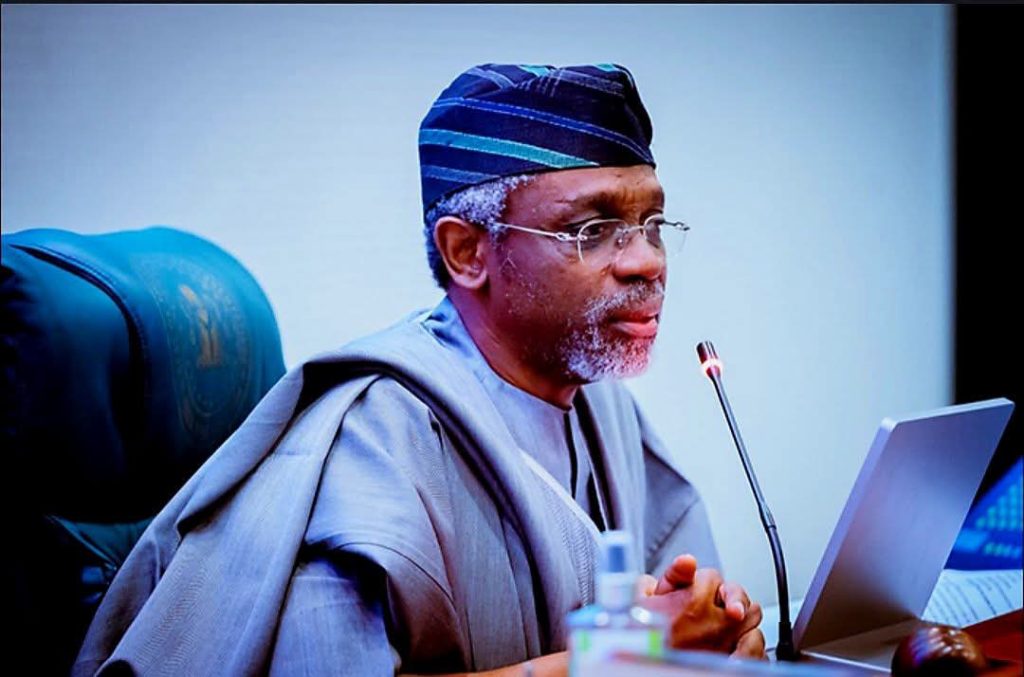
The indication was given by the Chief of Staff to the President, Femi Gbajabiamila, during the Good Governance Summit 2026 organised by Working People United in Abuja.
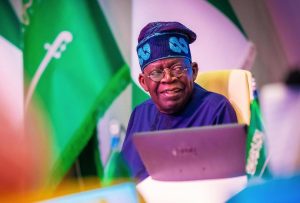
Speaking at the summit, Gbajabiamila said the administration of President Bola Ahmed Tinubu acknowledges the impact of inflation and changing economic realities on workers’ purchasing power, stressing that wages must reflect prevailing conditions.
He recalled that President Tinubu signed the ₦70,000 national minimum wage into law in July 2024, more than doubling the previous ₦30,000 minimum wage. He added that the administration also reduced the statutory wage review cycle from five years to three years to ensure workers’ salaries are reviewed more frequently in line with economic realities.
According to him, while the ₦70,000 minimum wage represented a significant achievement when it was introduced in 2024, current economic conditions make it necessary to honestly reassess whether it still meets the needs of Nigerian workers.
Gbajabiamila assured workers that whenever the review process begins, the Federal Government will engage organised labour through dialogue and constructive negotiations rather than confrontation.
He emphasized that government and labour unions share the common objective of improving workers’ welfare and that sustained cooperation would produce better outcomes for employees and the nation’s economy.
Also speaking at the summit, the Minister of Labour and Employment, Muhammad Dingyadi, said the true measure of governance is reflected in how government policies improve the lives of citizens.
According to Dingyadi, effective governance should translate into improved living standards, decent employment opportunities, stronger social protection, increased productivity, and broader economic opportunities for Nigerians.
In his remarks, the President of the Nigeria Labour Congress (NLC), Williams Akporeha, described Nigerian workers as the backbone of the nation’s economy, stressing that their contributions remain critical to national productivity, economic growth, and sustainable development.
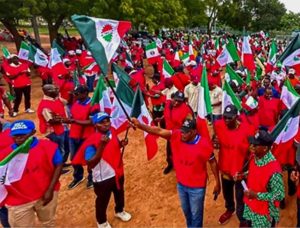
The latest indication from the Federal Government comes amid persistent inflation, rising food prices, increasing transportation costs, and growing calls by organised labour for improved wages and enhanced welfare packages to cushion the effects of the country’s economic challenges.
Although no specific timeline was announced for the commencement of the review, Gbajabiamila’s remarks suggest that discussions on a fresh minimum wage adjustment may begin in line with the three-year review framework established under the current law.